
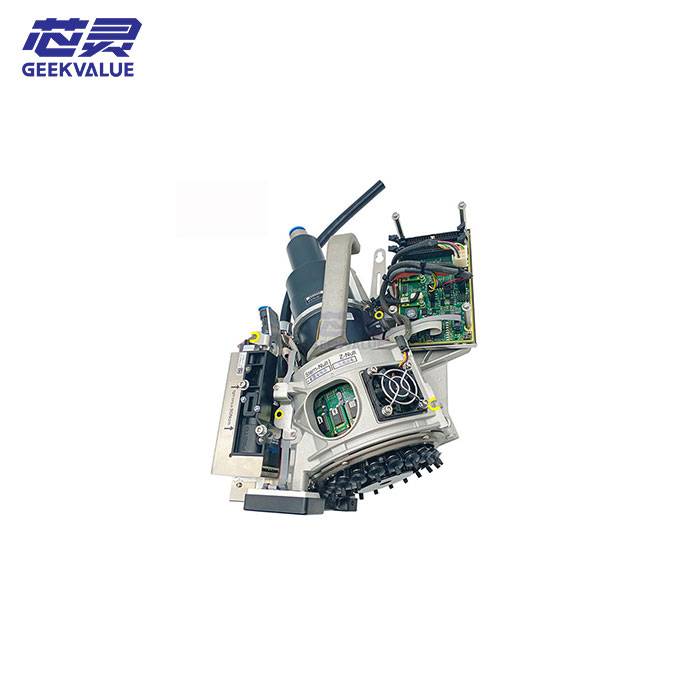
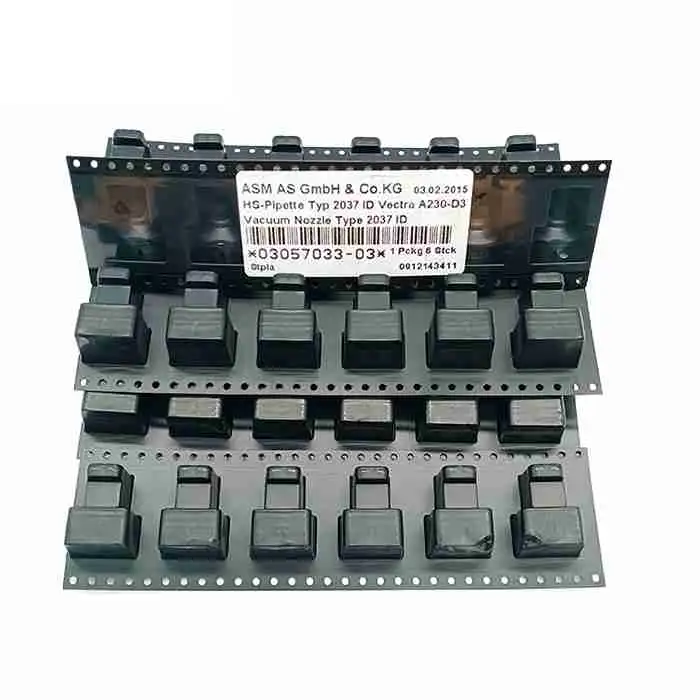
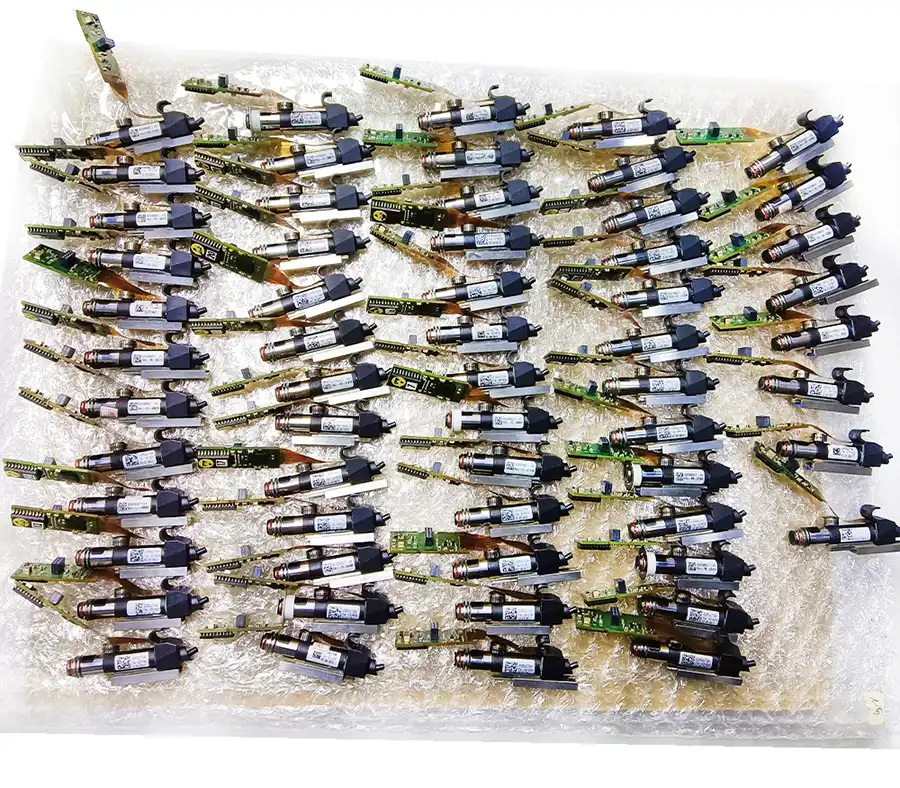
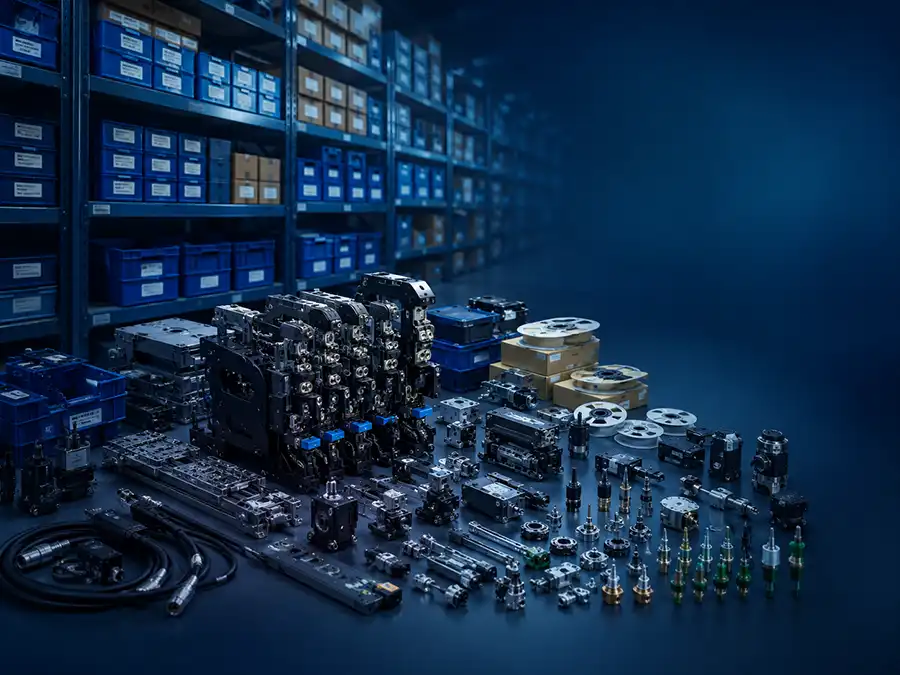
A used SIPLACE X-Series S should be evaluated as an individual machine, not as a model name. Two X4 S machines can differ in installed placement heads, conveyor configuration, feeder package, software options and calibration state. Published platform specifications define what a correctly configured X-Series S can support. They do not guarantee that the specific machine being offered contains the required hardware, remains within calibration, or can reproduce your intended production process.
Before approving a machine, match three things: your production requirement, the machine's installed configuration, and the evidence collected during inspection. This guide covers the verification framework — from defining acceptance criteria through powered inspection, quantitative evidence, factory acceptance testing, delivery scope and remote inspection.
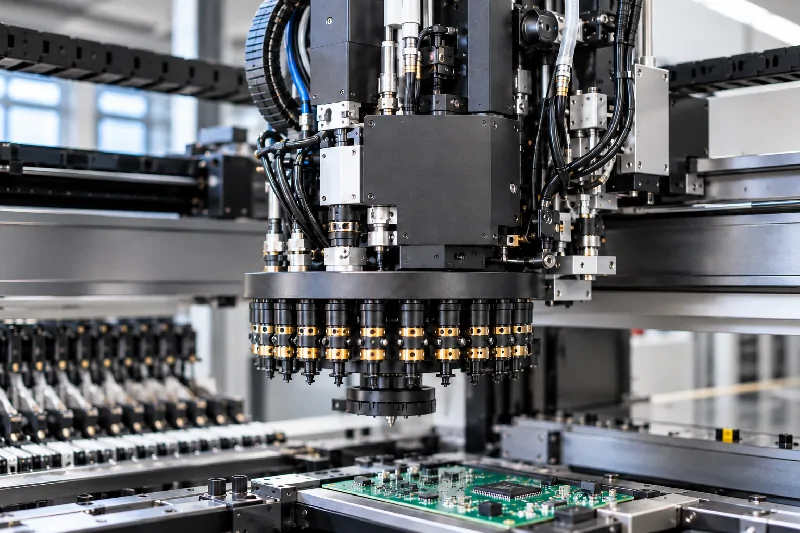
Define What the Machine Must Prove Before Inspection
An inspection only becomes useful when the intended process has been translated into quantifiable requirements. A machine can run normally during a general demonstration and still fail to match the buyer's actual production flow.
| Buyer requirement | Verification target |
|---|---|
| PCB dimensions / thickness | Conveyor width range and board support configuration |
| Smallest components in BOM | Head type + component camera + nozzle range + feeder capability |
| Largest or heaviest components | Head capability + pickup method + component presentation + vision compatibility |
| Target cycle time | Actual head mix + placement program + line balance |
| Feeder demand | Trolley type, number of positions, feeder package included |
| Single-lane or dual-lane production | Actual installed conveyor configuration |
| Required software function | Installed licensed option + powered demonstration on the machine |
These criteria should be agreed before selecting the test material and the scope of the factory acceptance test. For the machine-level configuration decision behind these requirements, see the X-Series S configuration guide.
Verify Machine Identity, Configuration and Operating History
The first level of evidence establishes that the machine being inspected is the machine being quoted, and that its installed configuration matches the seller's description.
Machine identity
Exact model designation: X2 S, X3 S, X4 S or X4i S
Serial number and manufacturing year
Item or material number, if available
Nameplate photo showing the serial number in a single frame
Current installed configuration
Gantry count
Placement head type and part number for each installed head
Component camera type
Conveyor type and width range
Feeder trolley interface and position capacity
Tray or special feeding modules
Station Software version
Installed licensed options relevant to the buyer's requirement
Operating history
Total machine operating hours
Placement or component count, if accessible
Individual head hours or counters, if available
Service and maintenance dates
Head replacement or overhaul records
Major module replacement history
Signs that should trigger a history check include repainting, mismatched fasteners, or unusual wear patterns. These observations alone do not prove that a machine has been rebuilt or refurbished. They indicate that configuration records, service history and test evidence should be verified before proceeding.
Operating hours are one piece of evidence, not a condition grade. An 18,000-hour machine with documented head service and current calibration is not automatically riskier than a 9,000-hour machine with no history and no verification. Hours must be read together with maintenance records, component count, head history and test evidence.
What a Powered Inspection Should Demonstrate
A powered inspection confirms that the machine's systems can start, move and perform basic functions. Each subsystem should be exercised and observed individually.
Gantry and motion system
Homing and reference run completion
Smooth movement of each gantry during the test sequence
Abnormal noise, vibration or binding during motion
Alarm or error messages during startup or operation
Placement heads
Software recognition of each installed head type
Nozzle changer function and magazine recognition
Vacuum pickup and component sensor response
Z-axis and rotation movement as applicable
Vision system
PCB camera image clarity and fiducial recognition
Component camera image and component recognition
Lighting and illumination adjustment range
Conveyor
Board entrance and exit transport
Width adjustment through the expected range
Board clamping and support mechanism
Dual-lane modes where the installed conveyor supports them
Feeder recognition
Feeder trolley or table recognition by the machine software
Feeder ID readback where applicable
Safety and interlocks
Emergency-stop function
Door or guard interlocks where fitted
Safety alarms and machine response
Any bypassed or disabled safety device should be documented and resolved before operation
A powered inspection demonstrates that these systems function. It does not by itself prove that the machine can place components to the tolerance required by the buyer's product.
Quantitative Evidence: Head Verification, Calibration and Placement Accuracy
Once the basic functions have been demonstrated, the next question is whether there is measured evidence to support the machine's condition and accuracy.
Head verification
The SIPLACE Head Care Station is an offline test system that verifies the technical functionality of CP20, CPP and TWIN placement heads. It checks vacuum and placement circuit state, smooth running of DP and Z-axis bearings, bearing wear and tolerances, component sensor function, Z-axis light barrier, positioning accuracy of DP drives, nozzle seating and placement force verification.
A head verification record documents that the tested head passed the specified checks at that time. This tells you about the head at the time of testing; it does not establish whole-machine placement accuracy on a specific product. For the head-family selection context behind the installed heads, see the SIPLACE placement head comparison.
Machine calibration and mapping
Machine calibration establishes OEM-defined relationships between the vision system, machine coordinates, placement heads, nozzle references and other positioning references required by the installed configuration. The exact calibration points and procedure are machine- and software-generation-specific.
A calibration record shows that the specified calibration procedure was completed at that time. It is useful evidence for machine setup state, but it should not be treated as evidence that the machine remains in calibration at the time of inspection, or that placement accuracy on a specific product meets a specific tolerance.
CPK and placement accuracy results
CPK values measure process capability — the relationship between the measured placement distribution and the specification limits. Without the specification limits and test conditions, a Cpk value cannot be interpreted reliably.
When reviewing CPK or placement accuracy evidence, request:
Test method used
Machine configuration identification
Head identity, if the test is head-specific
X and Y results
Test date
Specification limit or tolerance used
Sample size
Measurement system or reference method
A Cpk result belongs to a specific machine configuration and test run; if the test is head-specific, the head identity should also be recorded. Without that context, the number cannot be compared or relied upon across machines.
What a Useful SIPLACE FAT Should Prove
A machine demonstration shows that the machine runs. A factory acceptance test shows whether it meets the agreed requirement.
A representative placement run should exercise the full path: feeder, pickup, vision, head placement and PCB transport. The test conditions, measurement method and pass/fail criteria should be agreed before the test begins.
| FAT item | Evidence |
|---|---|
| Machine startup | Video recording + alarm status screen |
| Board transport | Actual board dimensions + video of transport cycle |
| Component pickup | Representative feeders and components loaded |
| Vision recognition | Recognition result screen for fiducial and component |
| Head placement | Each required head type exercised in the run |
| Repeatability | Repeated placement cycles against the agreed tolerance and sample count |
| Placement result | Agreed measurement method and pass/fail criteria |
| Interruptions | Alarms, rejects or retries recorded during the run |
| Cycle result | Actual test cycle conditions and result |
Statements such as "running normally," "good accuracy" or "fully tested" are not acceptance criteria. A useful FAT produces a measurable result against a pre-agreed requirement.
Record the verified configuration at FAT completion. The serial number, installed head labels, key options and included-item list should match the final quotation or packing record. If a head, feeder package or major option changes after FAT, that item should be re-verified before shipment.
Software, Options and Data Access
Software capability should be demonstrated on the actual machine, not inferred from the model name.
Station Software version
Compatibility with the buyer's required programming or data workflow
Installed licensed options required by the buyer's production
Machine login and access level
Program and backup availability
Configuration data backup
License key or dongle if applicable to that software generation
Whether each required option can be demonstrated in a powered test
Software licensing mechanisms vary by generation and controller. The requirement is specific to the machine being evaluated.
Verify What Is Included Before You Compare Prices
A machine that passes a factory acceptance test is not automatically a complete production-ready package. Machine condition, installed configuration and delivery scope are three separate things.
Confirm what is included in the quotation:
Machine unit
Feeder trolleys
Feeder quantities and widths
Nozzles and nozzle inventory
Nozzle changers
Tray or WPC systems
Support tooling and fixtures
PCs or control equipment where applicable
Software, backup data and documentation
Spare parts
Deinstallation, packing and shipping scope
Exact machine utility or facility requirement document
Installation requirements such as electrical supply, compressed air, network or data interface and other model-specific utilities
Compare quotations on the verified delivery scope, not on the bare machine price alone. For how feeder demand maps to actual feeder positions on the machine, see the SIPLACE X feeder positions guide.
How to Verify a SIPLACE Machine Remotely
When an on-site inspection is not possible, verification depends on evidence requested from the seller. Stock photos prove the model. They do not prove the condition or configuration of the machine being quoted.
Identity photos
Nameplate with serial number
Full machine view
Each gantry and head label
Conveyor, trolley and installed options
Live video
Cold start showing the machine identification and system screen
Software version and counters
Homing and reference run
Movement of each gantry
Head recognition and nozzle changer operation
Conveyor transport cycle
Vision recognition on a representative component
Representative placement run
Final alarm and status screen
Documents
Machine configuration record
Operating hours and counters
Service and maintenance history
Calibration or CPK records
Head verification records
Software version documentation
Included-item list
Ask for one continuous recording that links the machine serial number, system screen, counters and powered test without cuts. Separately sent photos, videos and screenshots do not by themselves prove that they belong to the same machine.
Pre-Purchase Verification Summary
| Item | Weak evidence | Stronger evidence |
|---|---|---|
| Machine identity | Seller description or model name | Nameplate + serial number + system identification |
| Installed heads | "Four CP20 heads" in quotation | Four head labels + software configuration screen |
| Operating hours | A typed number in an email | Live counter screen + service history records |
| Placement accuracy | "Calibrated" or "tested" | Current placement test result, supported by calibration records |
| Machine function | Power-on photo | Representative placement run under agreed conditions |
| Delivery scope | "Feeders included" | Itemized feeder, nozzle and trolley list with quantities |
| Software | Version text in a document | Live system screen + demonstration of required function |
When sufficient evidence is available, the machine can proceed to commercial review. When critical evidence is missing, verification should be requested before commitment.
FAQ
How do I verify the operating hours on a used SIPLACE machine?
Request a live video showing the system counter screen, ideally in the same continuous recording that shows the machine serial number and a powered run. Operating hours should be reviewed together with service history, component count and head records — not as a standalone condition grade.
Is a power-on test enough before buying a used SIPLACE?
No. A power-on test confirms that the machine starts and basic functions respond. It does not confirm placement accuracy, component range capability, software options or delivery scope. A representative placement run and quantitative evidence are stronger.
What should a SIPLACE machine FAT include?
A factory acceptance test should exercise the full placement path — feeder, pickup, vision, head placement and PCB transport — on representative material, with pre-agreed measurement methods and pass/fail criteria. "Running normally" is not an acceptance criterion.
How do I confirm which placement heads are actually installed?
Request a close-up photo of each head label and part number, plus a software configuration screen showing how the machine recognizes each installed head. Cross-check the label against the quotation description.
What calibration or CPK evidence should I request?
Request calibration records showing the date, method and scope. For CPK results, request the test method, machine configuration, head identity if applicable, X/Y results, test date, specification limit, sample size and measurement system. A CPK value without tolerance and sample size is incomplete evidence.
How can I inspect a used SIPLACE machine remotely?
Request one continuous video that identifies the machine by serial number, shows the system counters, and demonstrates a powered run with representative placement. Combine this with identity photos, service records and an itemized included-item list.
Are feeders, nozzles and trolleys normally included with a used SIPLACE machine?
Not automatically. Feeder quantity, nozzle inventory, trolleys and tray systems are commercial items that must be stated in the quotation. A machine that passes inspection may still arrive as a bare unit without the accessories needed for production.
How can I tell if a used SIPLACE machine has been refurbished?
Repainting, mismatched fasteners or unusual wear patterns are observations that should trigger further checks. They do not prove that a machine has been rebuilt. The stronger evidence is the machine's configuration record, service history and measured test results.
Need a machine-specific review? Send the model, serial number, installed head package, software version, hours and counters, and any available FAT or calibration records. We can review the configuration and identify what still needs to be verified before purchase.