
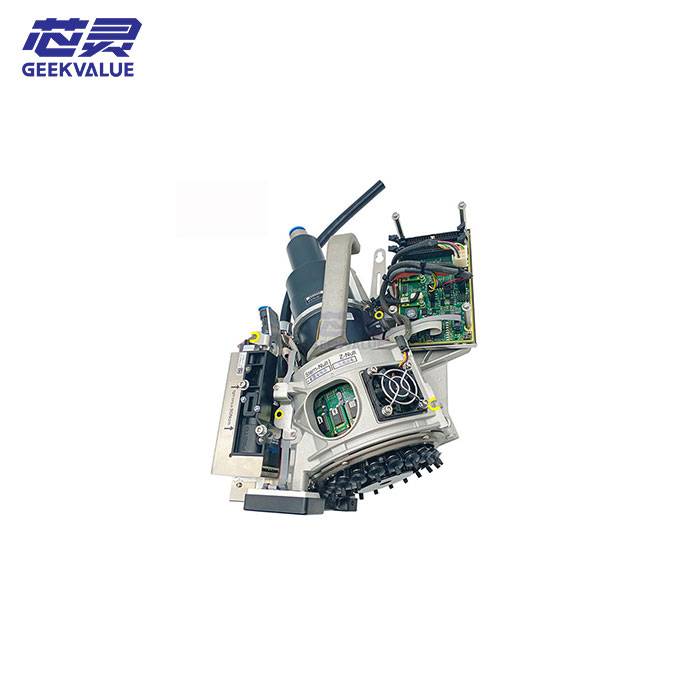
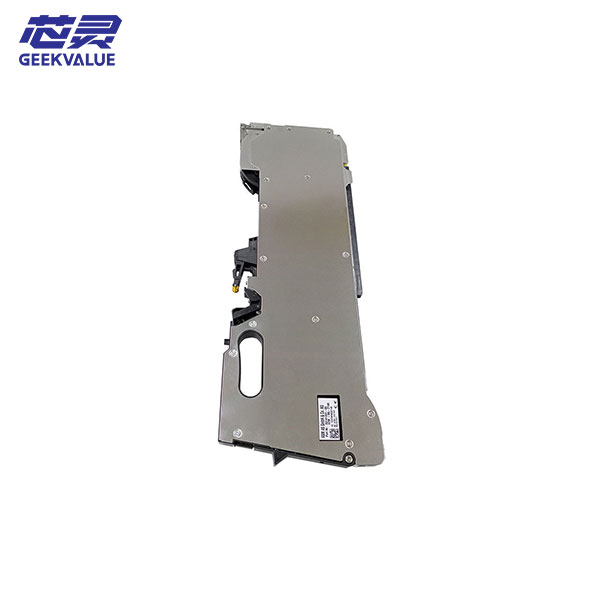
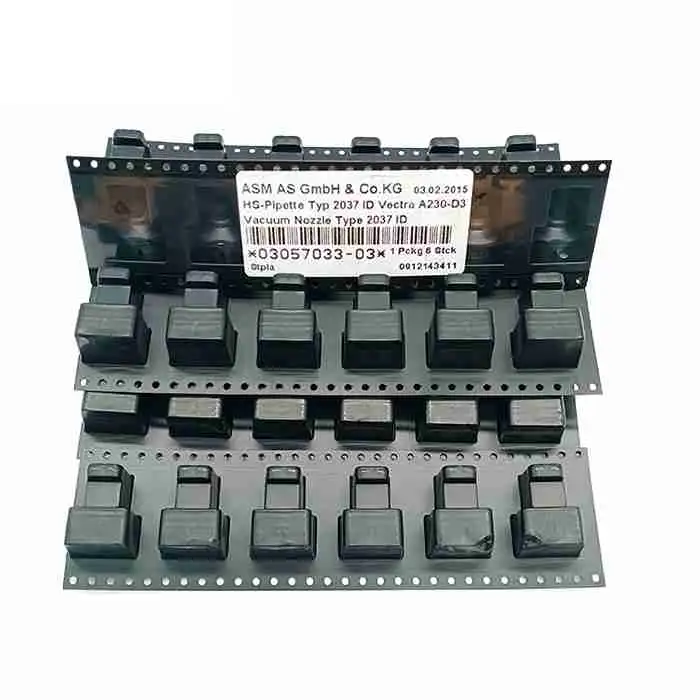
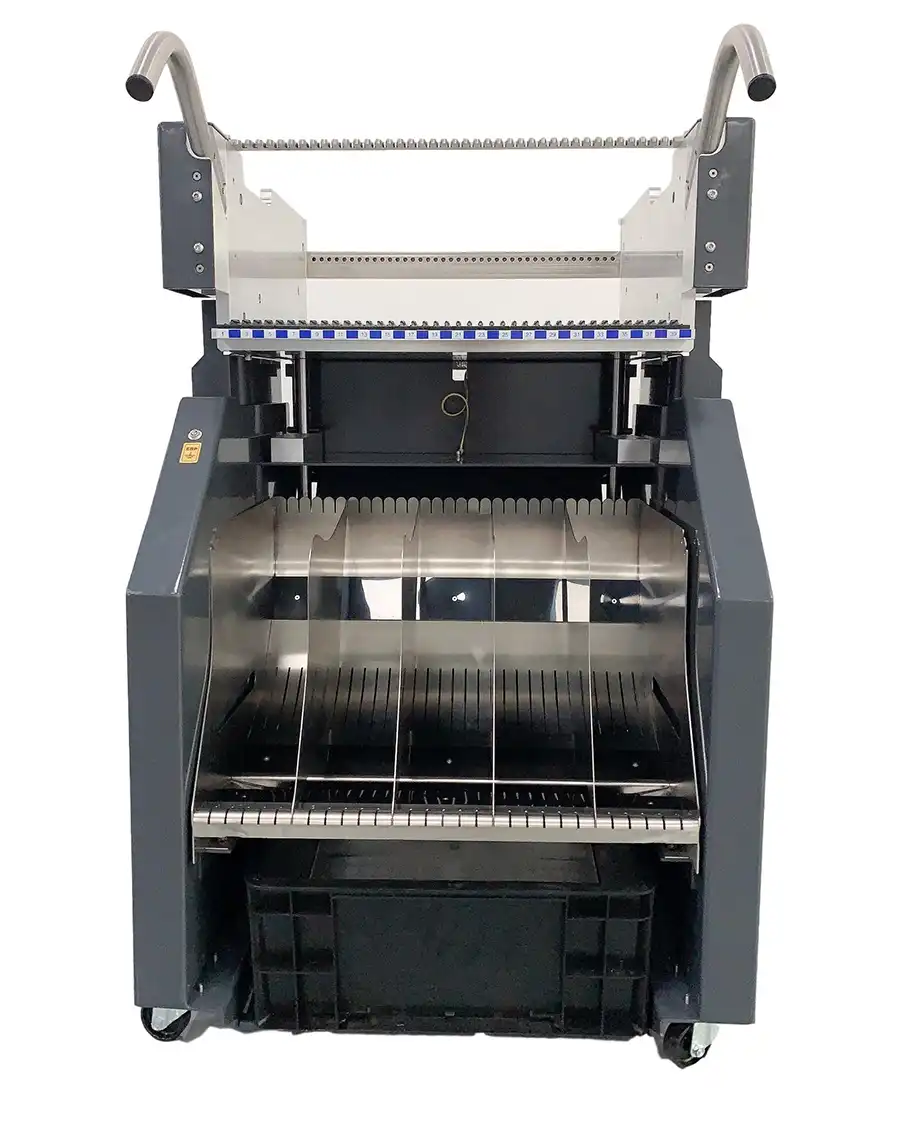
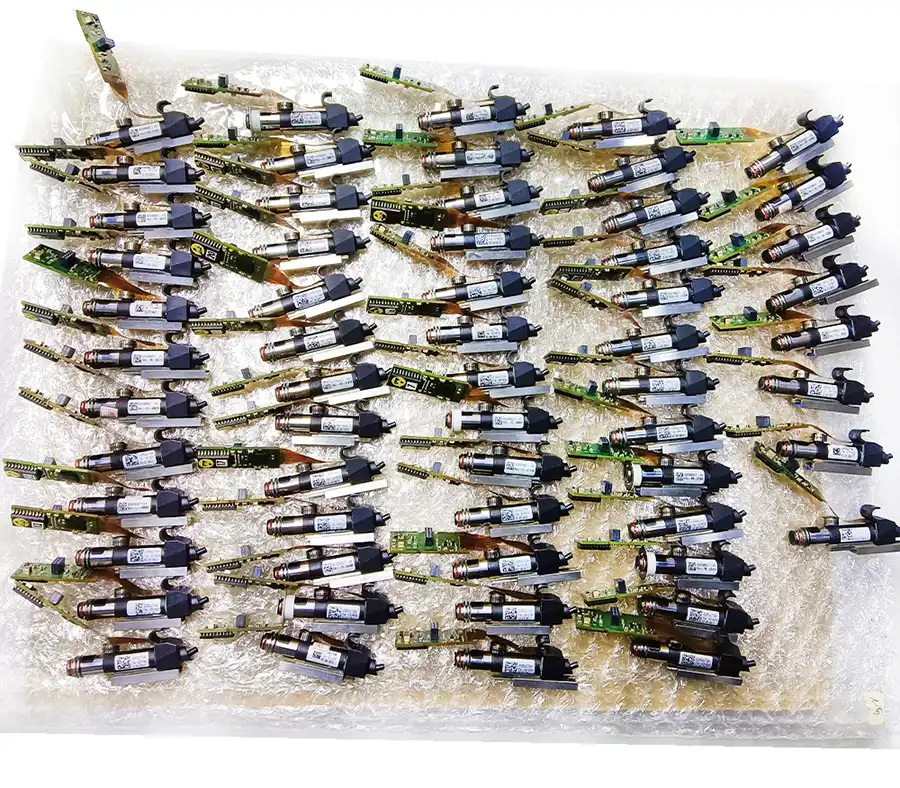
A replacement SIPLACE motor or control board needs more than a matching housing or connector. Verify the complete assembly number, revision, electrical requirements, feedback or communication interface, and machine configuration. For a different part number, confirm the documented substitution and any required firmware, parameter, or installation changes.
A motor that bolts into place can still have the wrong feedback arrangement. A board with the same connector positions can carry a different populated assembly or firmware. These are expensive discoveries to make after shipment, particularly when the production line is waiting for a single spare.
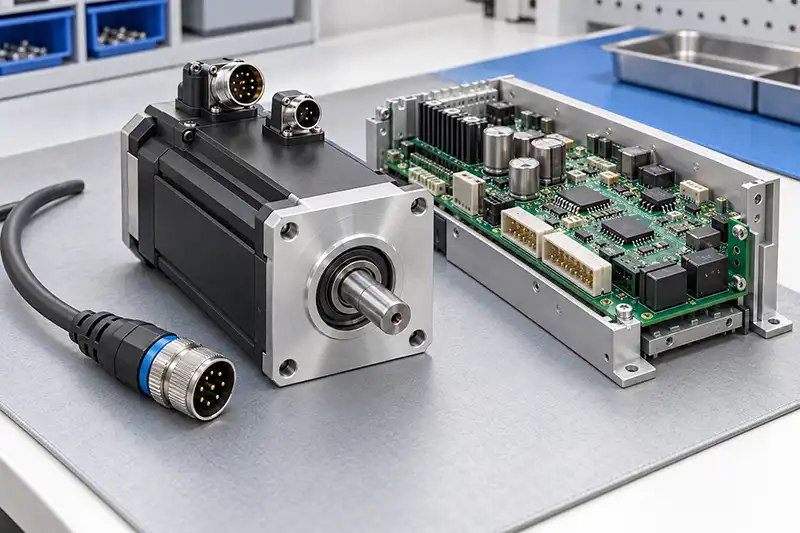
Read a motor label in the context of its mechanism
Begin with the mechanism the motor drives. A conveyor drive, feeder mechanism, and motion axis impose different requirements. Record the machine position and photograph the complete installed assembly before reducing the request to the motor manufacturer's label.
Check whether the ordering item includes a gearbox, brake, coupling, pulley, feedback device, or attached cable. A motor-only quotation cannot be compared directly with a complete drive assembly. If the existing gearbox will remain, its mechanical and operating requirements become part of the replacement check.
Mechanical checks for the motor assembly
Compare the mounting flange, fixing-hole positions, shaft diameter, shaft extension, key or flat, and coupling arrangement. For a geared assembly, check the specified ratio, output orientation, and mounting details. Record dimensions against named reference surfaces so the supplier can reproduce the comparison.
Do not use an approximate photograph measurement to approve a close mechanical fit. If a dimension controls alignment or engagement, obtain the drawing or a properly measured value. A distorted phone image is useful for orientation but poor evidence for a precise shaft or flange dimension.
Electrical checks for the motor assembly
Use the relevant documentation to compare motor type, rated electrical characteristics, feedback device, brake details where present, connector wiring, and drive support. A connector shell can accept the same plug even when the contact assignments differ.
Where the motor works with a configured drive, establish whether parameters or commissioning steps are required. Do not assume that an externally similar motor can be substituted by trial connection. The machine's service procedure should govern electrical checks and initial operation.
Identify the board assembly rather than one visible marking
A printed circuit board can carry a fabrication code, revision marking, component labels, serial number, and an assembly identification label. Photograph them in place and retain their locations. The number etched into the board may identify the bare board without specifying every component fitted to it.
For a board request, include clear images of both sides when the approved handling procedure allows access. Record connector identifiers, installed modules, jumpers or switches, and any attached memory or firmware labels. Avoid handling contacts and follow the site's ESD procedure.
The machine position gives these photographs meaning. “Board inside head assembly” remains broad; the assembly drawing reference, board slot, or connector designations can narrow the inquiry substantially.
A visual comparison can expose differences but cannot approve firmware
Compare mounting points, connector keying, populated components, shielding, and attached modules. A discrepancy may explain why two listings carry different ordering numbers. Identical appearance, however, cannot establish software support or stored configuration.
Ask how the offered board's firmware or programmable device configuration relates to the target machine. Where a technician must transfer settings, use the manufacturer's approved method and preserve the original records. Do not move memory devices or change switches merely to make two boards look alike.
If the board is a documented replacement revision, the supplier should identify any conditions that accompany that replacement. Those conditions belong on the quotation or technical confirmation, where both the purchasing team and technician can see them.
Compare motor and board quotations across the right fields
Check | Motor or drive assembly | Control board or electronic module |
Identity | Motor and complete assembly labels | Populated assembly label and revision |
Fit | Flange, shaft, coupling, gearbox | Mounting, slot, connector locations |
Electrical interface | Ratings, feedback, brake, pin assignments | Supply requirements, pin assignments, supported interfaces |
Configuration | Drive parameters and commissioning | Firmware, settings, machine support |
Supply scope | Included drive accessories | Included modules, covers, memory or cables |
Test evidence | Named functions under stated conditions | Stated fixture or machine and functions checked |
Keep diagnosis separate from the replacement order
An axis alarm can originate from the motor, feedback path, wiring, drive, or a mechanical restriction. A board communication fault can reflect power, connectors, configuration, or another connected assembly. Record the alarm and completed checks without treating the alarm text as a parts list.
If a known-good comparison is part of the service procedure, document the unit identities and conditions. An unexplained part swap can move configuration differences into the investigation and make the result harder to interpret.
This separation also helps when requesting a quotation. “Confirmed replacement assembly required” and “candidate part pending diagnosis” describe different purchasing decisions. State which applies.
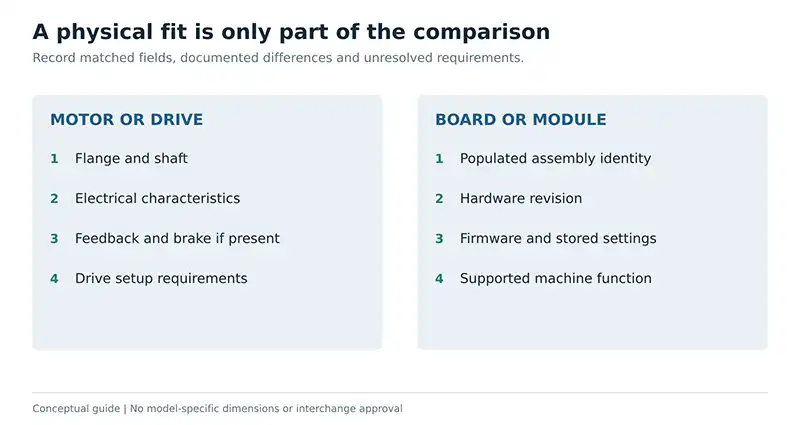
Compare the proposed change one field at a time
An electrical spare comparison works best as a record of differences. Mark each relevant field as matched, different with documented approval, or unresolved. Avoid a single checkmark labeled compatible when several characteristics have not been reviewed.
For a motor, the ASM SIPLACE motor and motion-control range helps distinguish complete motors from feedback, cable, and related drive inquiries. Keep the intended mechanism in the request. An X-axis function name, for example, does not identify a universal motor across machine generations.
An illustrative motor comparison
Suppose two candidate assemblies have the same flange and a voltage marking that appears to match. One quotation does not identify the feedback device or gearbox. The appropriate result is an incomplete comparison. Matching two visible fields cannot settle the remaining electrical and transmission requirements.
Ask for the complete assembly label and the documented specifications for the missing fields. If an alternate gearbox or feedback arrangement is proposed, obtain the approved conversion requirements. Procurement can then compare the full installation scope rather than treating missing information as an acceptable difference.
Make board revisions traceable to the installed machine
Record the original assembly number, hardware revision, firmware information where accessible, and machine location in separate fields. Add the proposed replacement information beside them. Keep a copy of the technical reference that establishes any substitution.
A specific listing such as the 03040460-01 D-Series vision board assembly identifies a board-level supply item. It does not establish that an arbitrary board with the same connector positions can perform that role. Where the exact identity is uncertain, submit both-side photographs and the parent assembly reference.
Preserve the original configuration before removal
Use the machine's supported process to retain relevant parameters, configuration records, and software information before replacing electronics. Photograph switch or jumper positions as a record, while checking their required settings against documentation. A position copied from another board may belong to another machine configuration.
If configuration recovery is uncertain, raise it before ordering. A physically correct replacement can still leave the repair incomplete when the required settings, access, or service tools are unavailable.
New old stock and repaired electronics need different questions
Ask what the supplier means by each condition description. A previously unused unit can have a long storage history. A repaired board can have a documented repair and useful functional evidence. Neither description alone settles the suitability of the supplied unit.
For stored electronics, ask about packaging, visible condition, and the available test record. For repaired electronics, request the work description, any remaining limitations, and the functions checked after repair. Keep cleaning and cosmetic work separate from functional repair.
Define acceptance before the line is waiting
Agree on which checks occur at receiving and which occur after installation. Receiving checks can establish labels, condition, completeness, and interface consistency. Functional acceptance belongs to the machine or approved test arrangement and should follow the relevant service procedure.
For a motor, the required acceptance observations can involve the supported motion, feedback, and related mechanism. For a board, they can involve recognition, communication, configured operation, and the function it controls. Select the actual checks from the relevant procedure rather than adopting the same acceptance list for every spare.
Keep the unit identity on the report. A generic test video without a readable unit reference is difficult to associate with the delivered part. Where an alarm remains after replacement, retain that result and investigate the complete circuit instead of immediately declaring the new unit defective.
For parts whose labels are incomplete, use the SMT part identification process before selecting an equivalent. Once the missing electrical and configuration information is available, send the motor or board comparison for review with the original and proposed identities in the same request.
Ask what the supplier tested
A motor that turns without load has passed a narrower check than an assembly evaluated for the relevant feedback, brake, or operating behavior. Likewise, a board that powers up has not necessarily demonstrated communication or machine function.
Request the test scope, the tested unit's identity, and the stated result. Where only a limited bench check is available, decide whether that evidence meets the repair requirement and agree on the acceptance terms before ordering.
We can compare an electrical spare request more effectively when the original labels and installed connections accompany the requested part number. If another revision is offered, ask us to identify the basis for the match and any open configuration questions in writing.
Can a connector adapter make a different motor compatible
An adapter addresses only the interfaces it is documented to address. It does not establish motor characteristics, feedback support, drive settings, or mechanical suitability. Use an approved conversion arrangement with defined installation requirements.
Is a higher board revision always an upgrade for the machine
No. Revision order does not establish universal backward compatibility. Confirm the replacement relationship for the target machine and retain any associated firmware or configuration instructions.