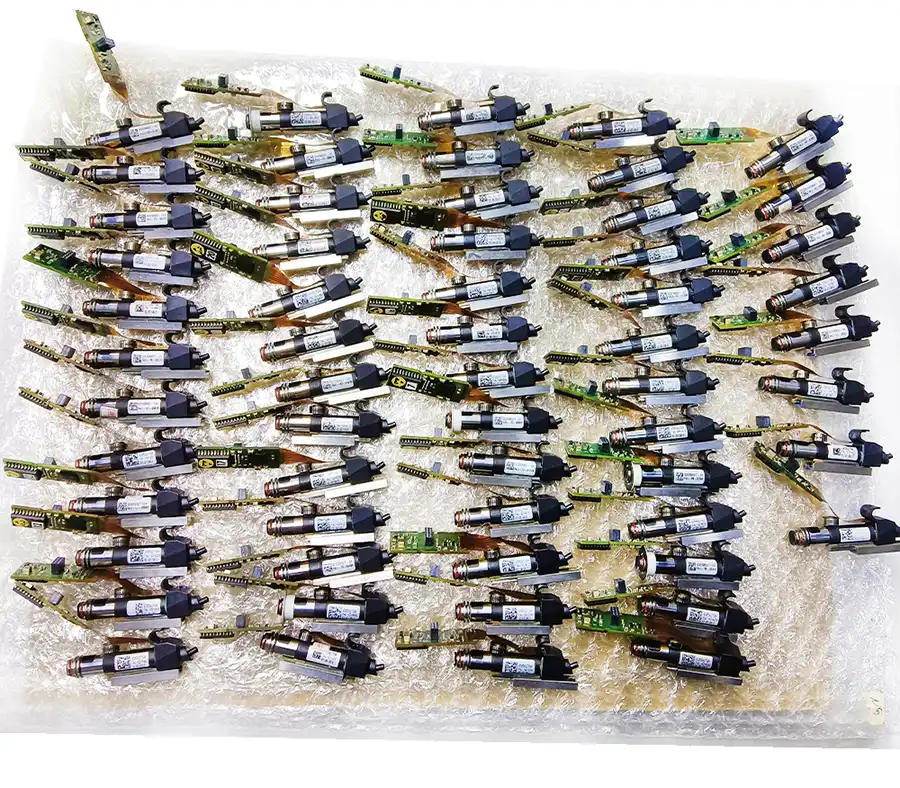
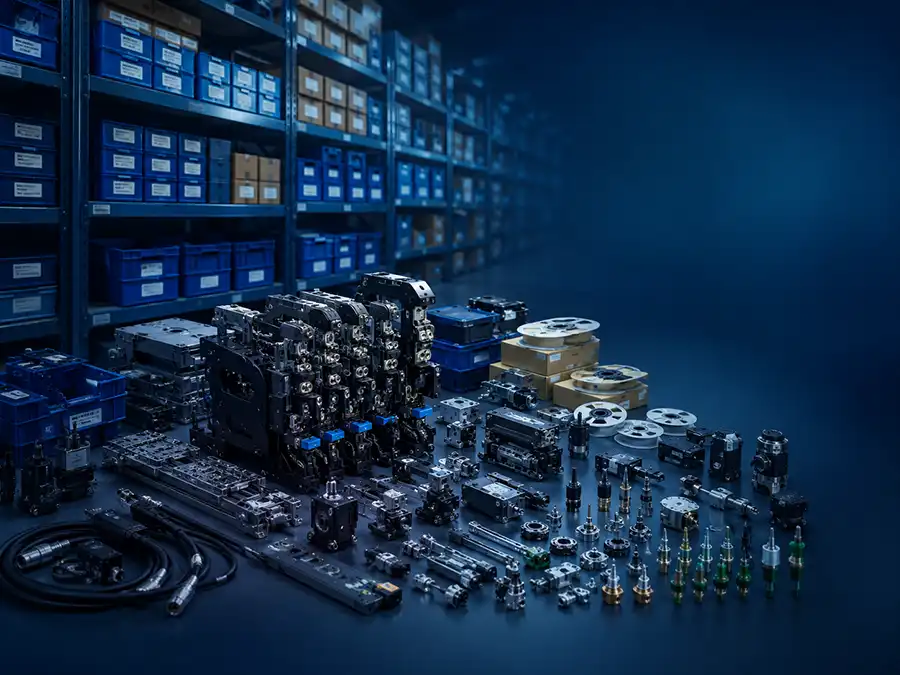
Used Siemens SIPLACE HS50 for 50,000 CPH-class SMD placement. A practical choice when higher benchmark speed would go unused; verify heads, feeders and conveyor.
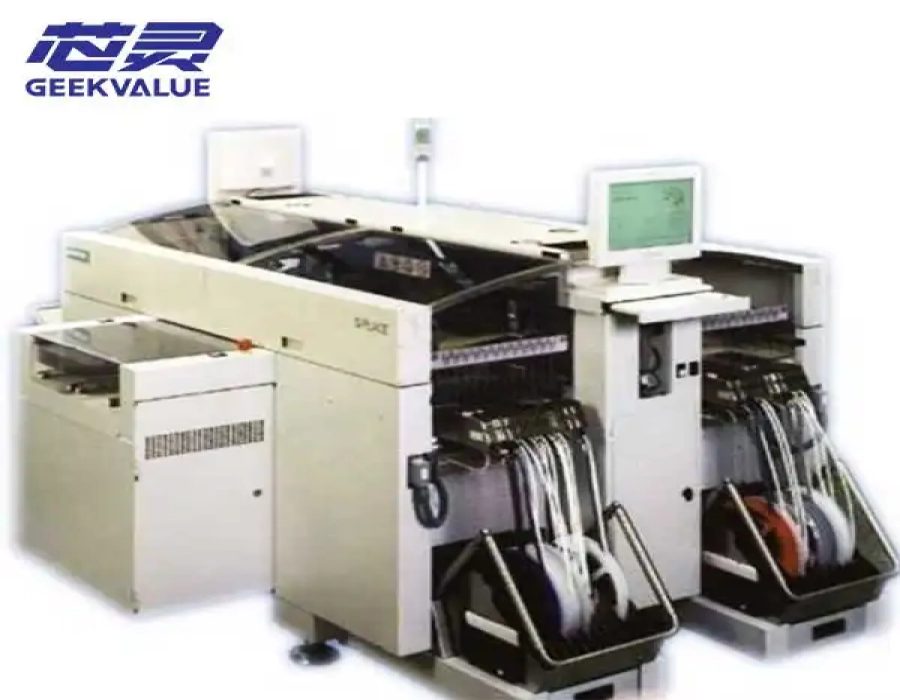
The Siemens SIPLACE HS50 is a four-gantry high-speed SMT placement machine designed for dense workloads of resistors, capacitors, small semiconductors and other standard SMD packages. For factories already running SIPLACE HS Series equipment, the important question is not whether a faster machine exists, but whether 50,000 CPH-class capacity already meets the required board cycle.
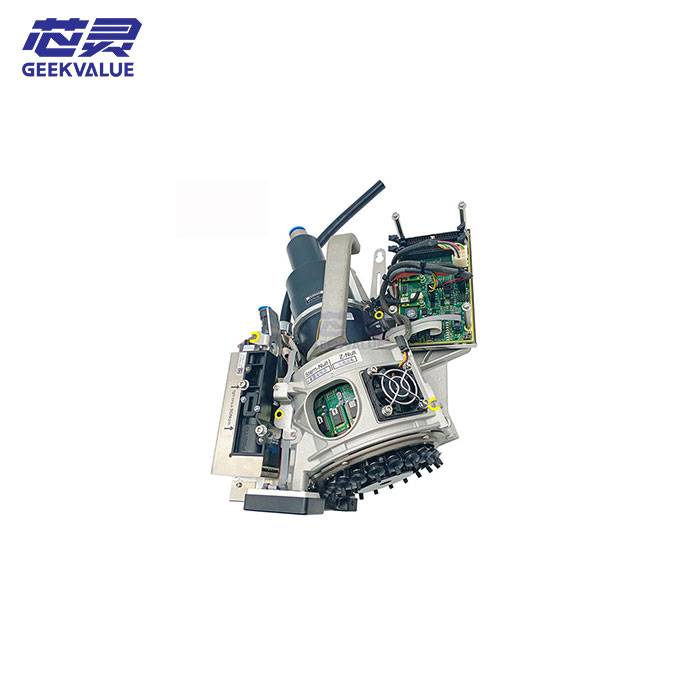
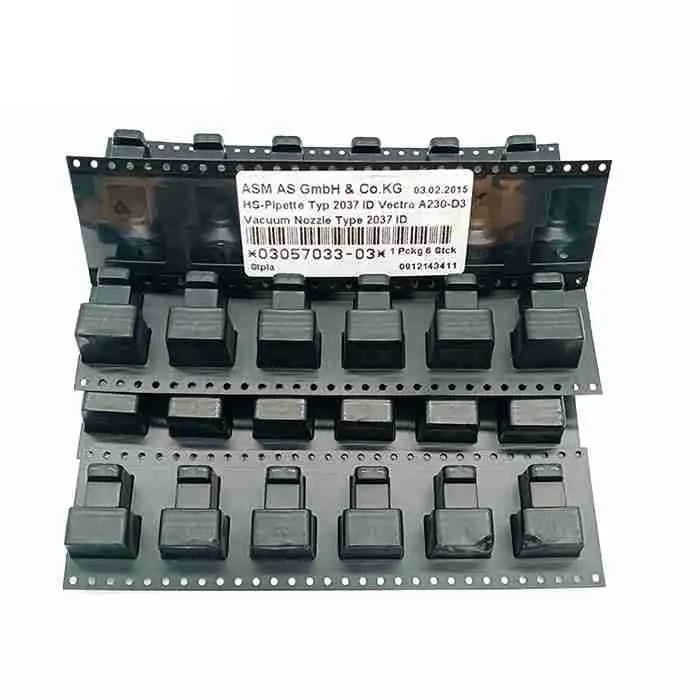
The HS50 is commonly configured with four 12-nozzle Collect & Place heads and has a published benchmark rate of up to 50,000 CPH. Its component range is approximately 0.6 × 0.3 mm to 18.7 × 18.7 mm. This gives the machine a clear production role: carry a high volume of compatible standard SMD placements before larger or more specialized components move to a flexible placement stage.
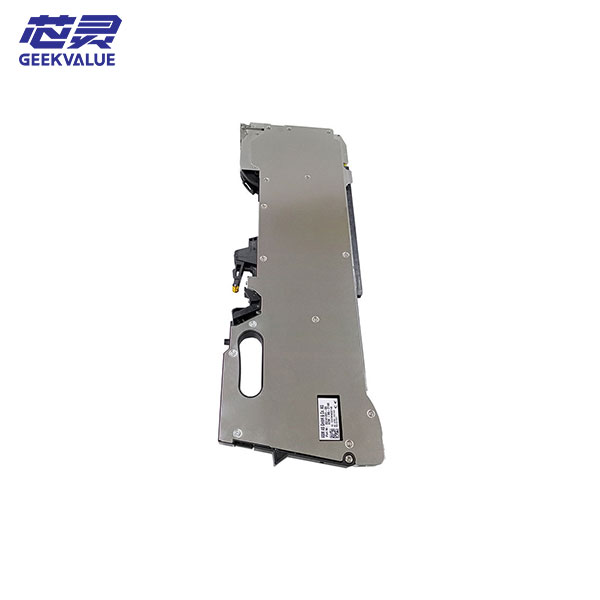
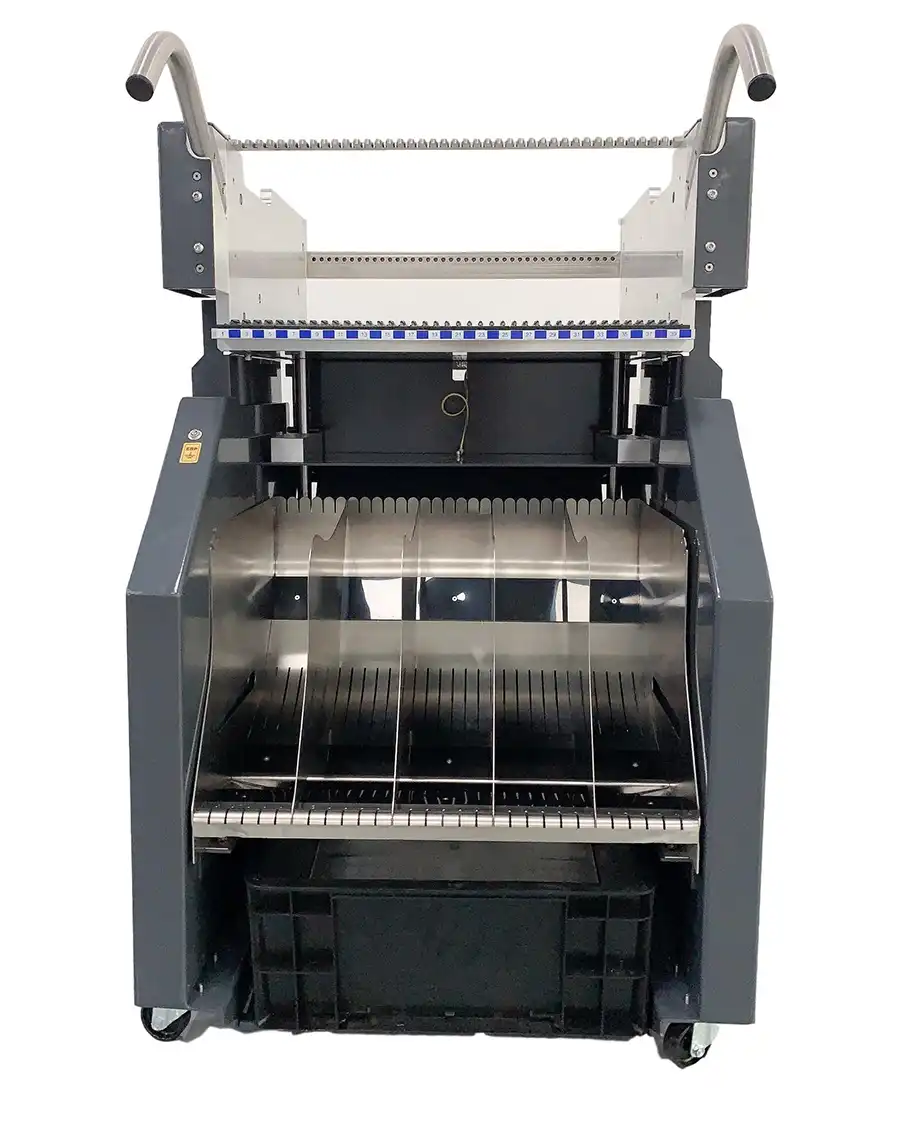
If the HS50 can already complete its assigned placements within the line takt time, paying for more benchmark speed does not automatically increase finished-board output. This is where a used HS50 can make financial sense: the factory can invest in the amount of high-speed placement capacity the production plan actually needs instead of tying up more capital in headroom that may remain unused. Where compatibility is confirmed, existing SIPLACE feeder resources, programming practices, technician experience and maintenance routines may also continue to provide value.
The HS50 is strongest when standard SMD placement is still a meaningful part of the line cycle but 50,000 CPH-class capacity is sufficient for the target output. It is less attractive when large or special components dominate the BOM, when another process already controls the line takt, or when projected demand genuinely requires more placement margin. In the last case, the SIPLACE HS60 should be compared before the purchase is decided.
| Parameter | Reference Specification |
|---|---|
| Machine Type | High-speed SMT placement machine |
| Gantries | 4 independently controlled gantries |
| Placement Heads | Commonly 4 × 12-nozzle Collect & Place heads |
| Published Benchmark Rate | Up to 50,000 CPH |
| Published Component Range | Approximately 0.6 × 0.3 mm to 18.7 × 18.7 mm |
| Reference Placement Accuracy | Approximately ±0.075 mm at 4σ |
| Feeder Capacity | Up to 144 tracks based on standard 8 mm tape width |
| Feeder Tables | Up to 4 removable setup tables |
| PCB Transport | Depends on the conveyor configuration installed on the individual machine |
These are OEM reference values for common HS50 configurations rather than guaranteed output from an individual used machine. Head condition, feeder pickup, vision, conveyor timing, nozzle setup and program balance all affect actual production. The 144-track figure describes maximum machine capacity and does not mean that 144 feeders are included.
The HS50-versus-HS60 decision should start with the required board cycle, not with the larger CPH number. Higher benchmark speed only creates production value when standard-SMD placement is still the station limiting finished-board output.
| Buying Factor | HS50 | HS60 |
|---|---|---|
| Published Benchmark | Up to 50,000 CPH | Up to 60,000 CPH |
| Primary Buying Question | Is 50,000 CPH-class capacity already enough to meet the required board cycle? | Can additional placement capacity directly shorten the board cycle? |
| Best Fit | High-volume standard SMD production where the target cycle can already be achieved without additional benchmark speed | Higher placement-count programs where standard SMD placement remains the confirmed bottleneck |
| Capital Logic | Avoid tying up additional capital in placement capacity the line does not need | Pay for additional capacity only when the production program can convert it into higher finished-board output |
| Main Purchasing Risk | Choosing too little capacity if future placement demand is likely to exceed the available margin | Buying benchmark speed that remains unused because of program balance or another line bottleneck |
| Choose It When | The HS50 reaches the required board cycle with acceptable capacity margin | The HS50 would remain the placement bottleneck and more standard-SMD capacity is genuinely required |
One of the easiest ways to waste capital on high-speed placement equipment is to compare 50,000 and 60,000 CPH before calculating the actual board workload. If the HS50 already finishes its assigned placements before the next process is ready, additional machine speed has little production value. The better investment is the machine that meets the target cycle with enough margin for the real product mix.
For a used HS50, price comparison should begin only after the condition of all four gantries and placement heads, calibration status, feeder-table configuration, conveyor, software and included feeder package are understood. A lower-priced machine can quickly lose its advantage if several heads require work or important line equipment is missing.
Before price becomes the deciding factor, first confirm that standard-SMD placement is actually limiting the required output: review the placement count per board, current placement cycle, target cycle and the cycle time of the surrounding equipment. Then verify the offered HS50 itself through current configuration information, head condition, feeder tables, software details, powered-on operation and remote inspection where available.
If you are not sure whether this product matches your machine, send us the model, label photo or old part picture for checking.