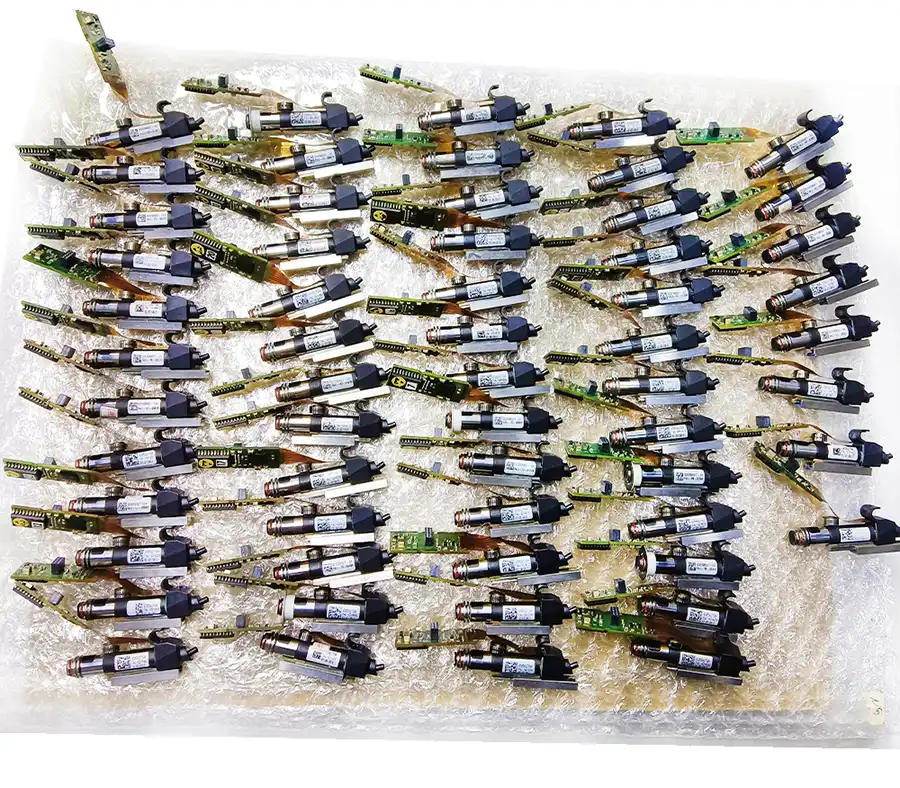
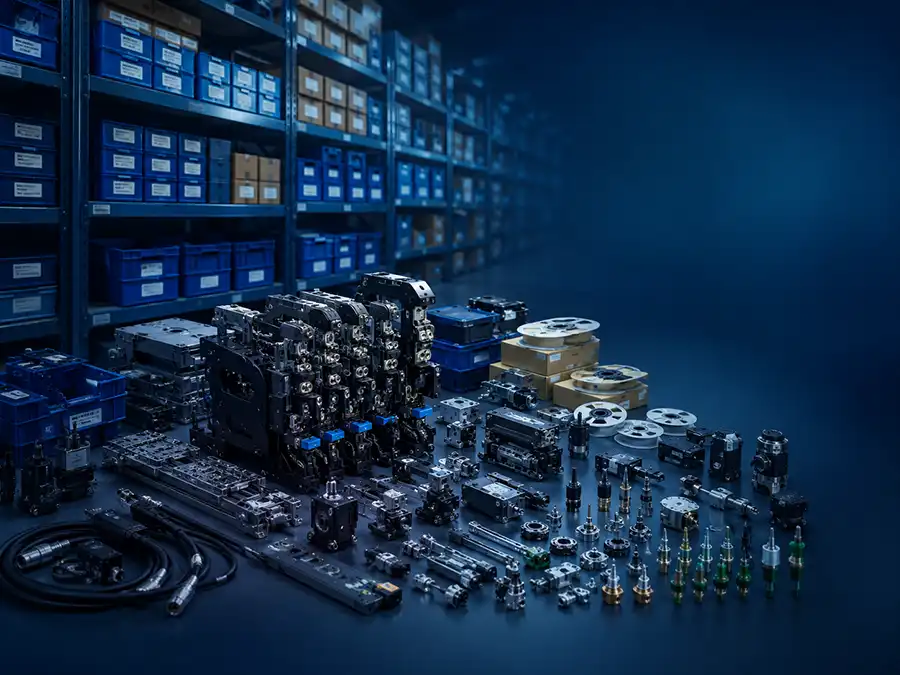
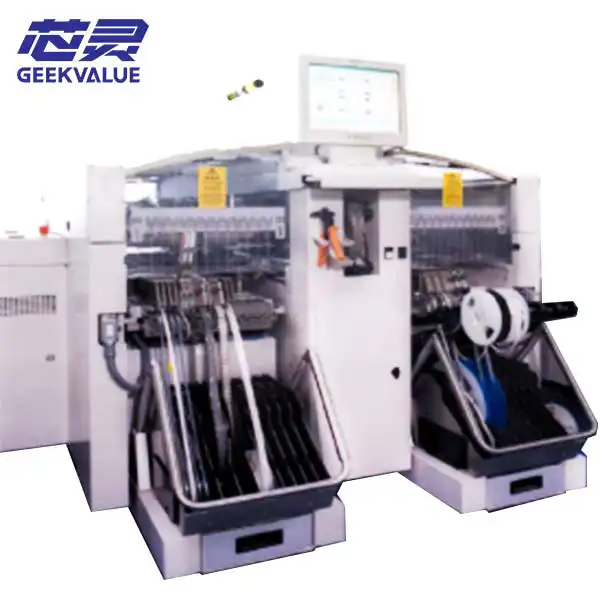
Used ASM SIPLACE HS60 high-speed SMT mounter with four gantries and up to 60,000 CPH benchmark output for high-volume small and medium SMD placement.
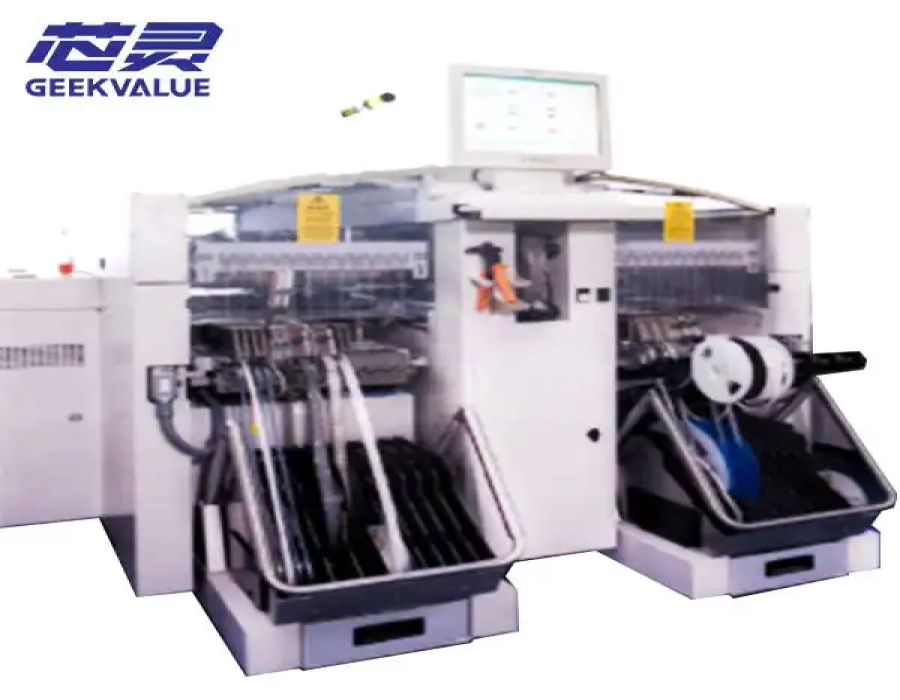
If standard SMD placement is already setting the board cycle, adding more flexible equipment will not solve the real bottleneck. For factories already running SIPLACE HS Series equipment, a used HS60 can be a practical way to add high-speed placement capacity without immediately changing the production platform—but only when the PCB program has enough compatible placements to keep all four gantries working productively.
The HS60 uses four independent gantries with four 12-nozzle Collect & Place heads and has a published benchmark rate of up to 60,000 CPH. Its component range is approximately 0.6 × 0.3 mm to 18.7 × 18.7 mm, so the machine is aimed at boards with a high number of standard SMD placements that can be distributed efficiently across the four heads.
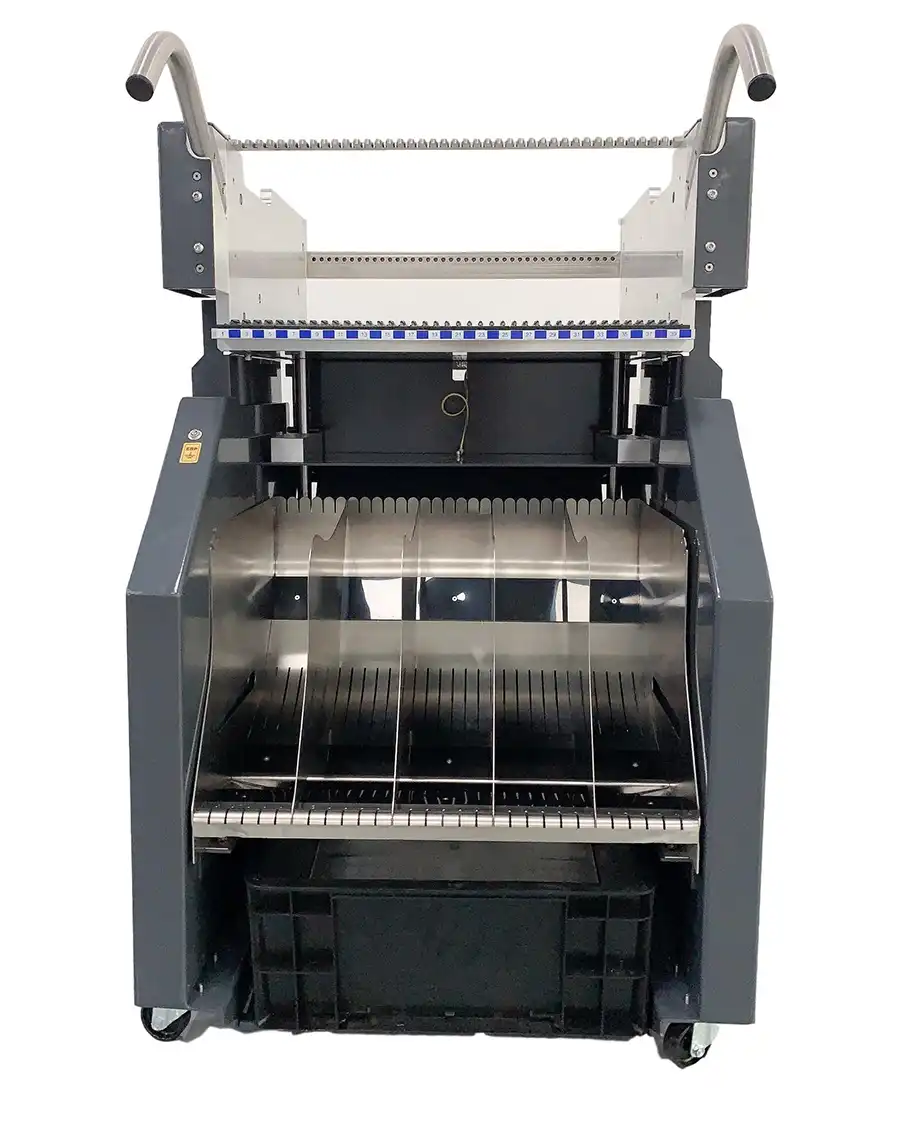
This is also where a used HS60 can make financial sense. For a factory that already has compatible SIPLACE feeders, programs, technician experience and maintenance practices, adding another HS-series machine may require less capital and less operational change than moving to a different placement platform. Four quick-change component tables can also be prepared away from active production, which is useful when high placement volume is combined with regular product changeovers.
The HS60 is strongest when chip placement remains the real line bottleneck and the board contains enough suitable work for all four gantries. It is less attractive when large or special components dominate the BOM, when another machine already determines the line cycle, or when 50,000 CPH-class capacity already meets the production target. In those cases, paying for additional benchmark speed may not create additional factory output.
| Parameter | Reference Specification |
|---|---|
| Machine Type | High-speed SMT placement machine |
| Gantries | 4 |
| Placement Heads | 4 × 12-nozzle Collect & Place heads |
| Benchmark Placement Rate | Up to 60,000 CPH |
| Component Range | Approximately 0.6 × 0.3 mm to 18.7 × 18.7 mm |
| Feeder Capacity | Up to 144 tracks based on 8 mm tape width |
| Component Tables | 4 quick-change feeder tables |
| Single-Conveyor PCB Range | Approximately 50 × 50 mm to 368 × 460 mm; longer-board options were available |
| Dual-Conveyor PCB Range | Approximately 50 × 50 mm to 368 × 216 mm per lane; longer-board options were available |
These are OEM reference values rather than guaranteed output from an individual used machine. Head condition, feeder pickup, conveyor timing, nozzle equipment, software and program balance all affect actual production. The 144-track figure describes maximum machine capacity and does not mean that 144 feeder positions are automatically supplied with every used HS60.
The decision between the HS60 and SIPLACE HS50 is not simply whether 60,000 CPH is better than 50,000 CPH. The real question is whether the extra benchmark capacity shortens the actual board cycle enough to justify the additional investment.
| Buying Factor | HS60 | HS50 |
|---|---|---|
| Published Benchmark | Up to 60,000 CPH | Up to 50,000 CPH |
| Primary Buying Question | Can the PCB program keep four gantries productively loaded? | Is 50,000 CPH-class capacity already sufficient for the required board cycle? |
| Best Fit | High placement-count boards where standard SMD placement remains the main bottleneck | Lines where the required output can already be achieved without paying for additional benchmark capacity |
| What the Buyer Gains | More high-speed placement capacity when the program can actually use it | Lower-capacity investment when 50,000 CPH-class performance is already sufficient |
| Main Purchasing Risk | Paying for placement capacity that the PCB program or rest of the line cannot convert into higher output | Leaving too little capacity margin if placement demand is expected to increase |
| Choose It When | Placement is the confirmed bottleneck and additional standard-SMD capacity directly reduces board cycle | The current cycle target can already be achieved without the additional HS60 benchmark capacity |
One of the most expensive mistakes when buying a used HS60 is treating the 60,000 CPH figure as usable factory capacity. Four gantries only create an advantage when the placement program can distribute enough suitable work across them and the surrounding line can keep up. If another process determines the cycle, additional placement speed becomes unused capital rather than additional output.
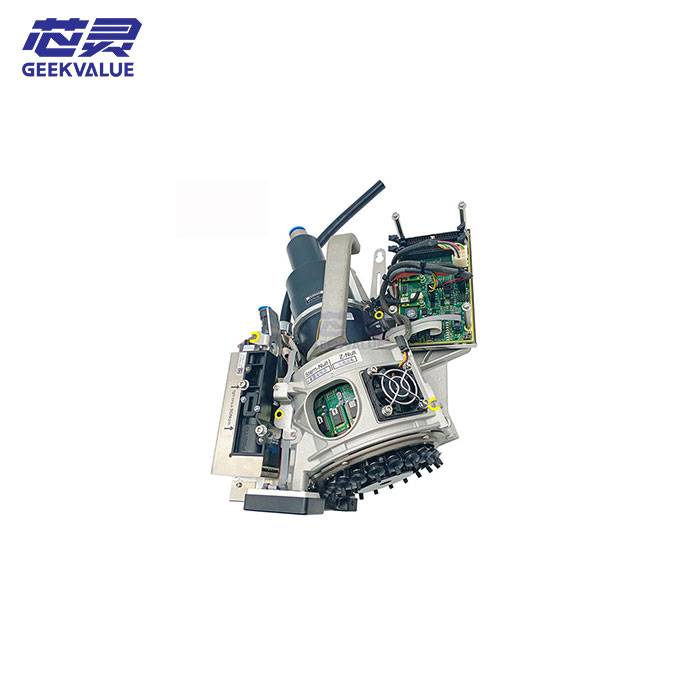
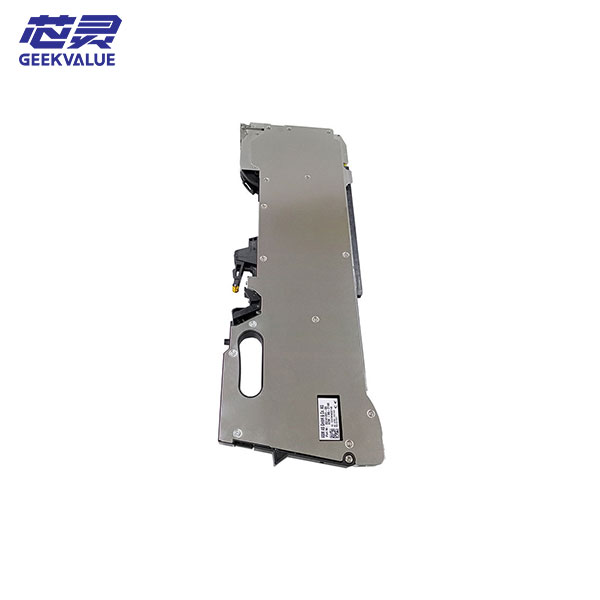
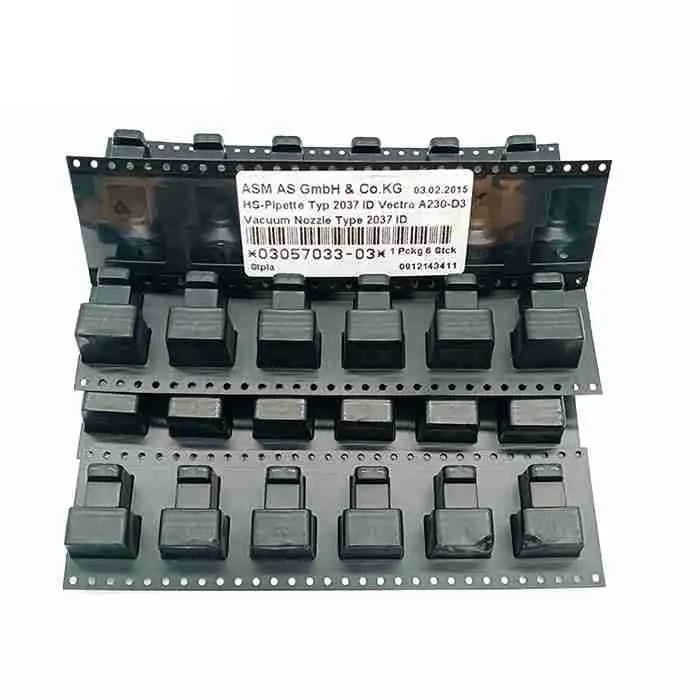
For factories already operating compatible SIPLACE equipment, this is where the used-HS60 business case becomes stronger. A suitable machine can add high-speed placement capacity with lower capital commitment while preserving more of the existing feeder, programming and maintenance environment where compatibility is confirmed. Compatible feeders, heads, nozzles and selected replacement parts can also be matched through our ASM spare-parts supply where suitable items are available.
The right HS60 is therefore not simply the machine with the highest published speed or the lowest purchase price. It is the machine whose four heads are in suitable condition, whose feeder and conveyor configuration matches the line, and whose additional placement capacity can actually shorten the production cycle. Current machine photos, head condition, feeder tables, software information and powered-on operation should be reviewed where available before the final machine is selected.
If you are not sure whether this product matches your machine, send us the model, label photo or old part picture for checking.